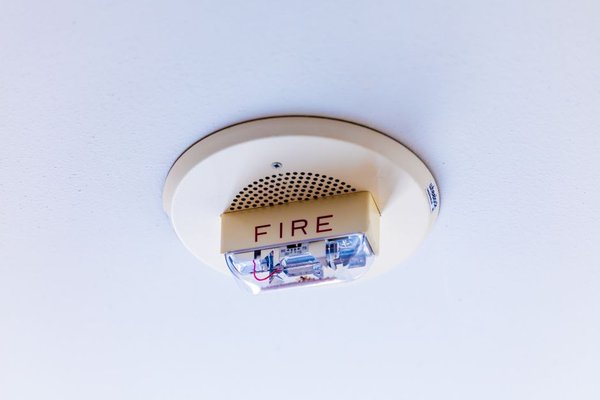
Smoke alarms are easy to overlook until they chirp—or until a fire makes them essential. Unlike a dripping tap, a faulty alarm can sit unnoticed for months. Learning how to test smoke detectors should therefore be part of your monthly home safety checks, not a task saved for emergencies.
The routine takes only a few minutes: operate each alarm’s test button, confirm that the warning sounds, and resolve problems promptly. Seasonal checks provide another opportunity to clean units, check their ages, and review the family’s escape plan.
How to Test Smoke Detectors Correctly
Use the test button on every alarm
Pick a regular day each month, perhaps the first Saturday. Let everyone at home know that you will test the alarms; the sound is intentionally loud. If someone has noise sensitivity, arrange for them to move away before you begin.
Find the test button on your first smoke alarm. Use a stable step stool if necessary rather than balancing on furniture. Press and hold the button according to the manufacturer’s directions. Some alarms take several seconds to sound. Listen for the full test signal, then release the button and let the unit reset.
Repeat this process in every bedroom, hallway, basement, and other location containing an alarm. One successful test does not establish that the other units work. Write down any alarm that fails to sound, gives a weak signal, or shows a fault indicator.
Check interconnected units
In an interconnected system, testing one alarm should activate the other connected alarms as designed. Have someone listen from another part of the house. If the network does not respond as expected, consult its instructions and arrange troubleshooting.
For example, press the upstairs hallway alarm’s test button while another adult waits behind the closed door of the farthest bedroom. This helps establish whether the warning carries into sleeping areas. Then test that bedroom’s alarm separately. A sound check is particularly useful in large homes.
What If Your Smoke Alarm Does Not Sound?
Begin with the manufacturer’s troubleshooting instructions. If the unit uses replaceable batteries, install the correct fresh battery, check its orientation, close the compartment properly, and retest. Never leave the battery removed or the alarm disabled.
Hardwired smoke alarms use household electricity and often have backup batteries. If one stops responding, check for an obvious power outage if you can do so safely. Do not disconnect wires or open electrical connections to investigate. Ask a qualified electrician or alarm professional to diagnose unresolved faults.
Replace an alarm promptly if it remains unresponsive after the recommended checks. A successful button test is important, but it does not guarantee that every smoke-sensing component will perform perfectly during a real fire. Follow all manufacturer fault and replacement instructions.
Check Batteries and Understand Chirping
Know your alarm’s power source
Battery requirements vary. The U.S. Fire Administration recommends replacing conventional 9-volt alarm batteries at least annually and sooner when a low-battery warning occurs. For other replaceable battery types, follow the manufacturer’s schedule and approved battery specification.
Sealed, long-life battery models are not designed for ordinary alarm battery replacement. When they signal low power or reach the end of their service life, replace the entire alarm according to its instructions. Do not force open a sealed unit.
A brief periodic chirp generally differs from the repeated, full-volume fire warning. Depending on the model, it can indicate low power, a malfunction, or end of life. Refer to the manual rather than guessing. If you hear a fire alarm or suspect smoke, evacuate immediately and follow your emergency plan.
Replace alarms before they become too old
Most household smoke alarms must be replaced 10 years after the manufacture date, or earlier if specified by the manufacturer. Find the date on the unit’s label, usually on its side or back. The date you moved into the home is not a reliable guide.
If the manufacture date is missing or illegible, replace the alarm rather than assuming it is new enough. Record the new unit’s date and expected replacement year in your home maintenance notes. Regular testing does not extend its service life.
Keep Smoke Detectors Clean
Dust, cobwebs, and renovation debris can obstruct vents and interfere with performance. Include gentle cleaning in smoke detector maintenance. Follow the manual, typically using a soft brush or vacuum attachment on the outside openings. There is usually no need to open the casing.
Never spray cleaners, water, paint, or air freshener into the alarm. Do not leave a protective cover on after painting or sanding work. Seek the manufacturer’s advice if substantial construction dust has entered the unit.
Do not hold a candle, match, cigarette, or homemade smoke source under an alarm to test it. Use the test button for the regular monthly check. Some models permit additional sensor testing with specified equipment, but only follow that procedure if their instructions allow it.
Make Testing Part of Your Home Maintenance Routine
A simple record prevents missed alarms. List each unit’s location, power type, manufacture date, and latest successful test. Store the checklist on your phone or alongside your seasonal home maintenance notes.
Test every alarm monthly. During seasonal checks, clean vents, review battery needs, and identify units nearing replacement. Twice a year, practice your household fire escape plan so everyone knows what the alarm means and where to meet outside.
Review coverage while you work. U.S. Fire Administration guidance recommends smoke alarms inside every sleeping room, outside each separate sleeping area, and on every level, including the basement. Interconnected alarms help carry warnings throughout the house. Check local codes for additional placement requirements.
Other useful household safety topics to keep nearby are a seasonal home maintenance checklist, a family fire escape plan, and carbon monoxide alarm maintenance. These make good companion reading when organizing recurring home safety tasks.
Frequently Asked Questions
How often should I test smoke detectors?
Test every smoke alarm at least once a month by pressing its test button. Test again after installing an alarm or changing a replaceable battery, and follow the manufacturer’s directions.
Does the test button check the smoke sensor?
It checks the alarm’s test function and related circuitry, but it may not prove that every sensing component will react correctly to smoke. Keep up with cleaning, fault checks, and replacement dates.
Why does an alarm chirp after I change its battery?
The battery could be incorrectly seated or incompatible, or the chirp may indicate a fault or an expired unit. Check the model’s instructions and replace the alarm if required.
Can I test a hardwired alarm myself?
Yes, the normal test-button procedure is intended for homeowners. Leave wiring repairs and unexplained electrical faults to a qualified professional.
A Small Task That Protects Every Room
Consistent smoke alarm testing is more useful than a complicated once-a-year inspection. Test every unit monthly, respond to chirps and faults, keep the vents clean, and replace aging alarms. Pair those habits with a practiced escape plan so your household knows what to do when the warning is real.