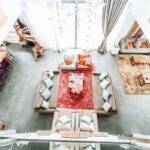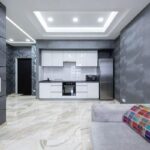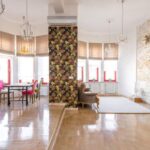

Multi-generational living is no longer just a tradition tied to necessity or culture. In recent years, it has become a thoughtful lifestyle choice—one shaped by rising housing costs, aging parents, changing family dynamics, and a renewed appreciation for togetherness. As more families explore multi-generational living ideas, the focus has shifted from simply “making it work” to designing homes that genuinely support comfort, privacy, and connection for everyone under one roof.
When done well, multi-generational living can feel less like compromise and more like a well-orchestrated rhythm of shared life. The key lies in intention, flexibility, and design choices that respect how different generations live, move, and recharge.
Rethinking Space as Shared and Personal
One of the most important shifts in multi-generational homes is the understanding that togetherness works best when balanced with personal space. Open-plan living areas encourage interaction, but private retreats are just as essential. Adults, teenagers, grandparents, and children all need places where they can be alone without feeling disconnected.
Modern layouts often reflect this balance by creating zones rather than rigid room functions. A family room might double as a gathering space during the day and quiet reading area in the evening. Bedrooms may be designed as mini-suites with sitting areas, offering a sense of independence without full separation.
The goal isn’t isolation—it’s choice. When family members can decide when to engage and when to retreat, shared living feels lighter and more respectful.
Designing Separate Entrances Without Dividing the Home
Privacy doesn’t always require physical distance. One of the most effective multi-generational living ideas is incorporating separate entrances or transitional spaces within a single structure. A side entrance leading to a ground-floor bedroom or studio can give older parents or adult children autonomy while keeping them close.
These entrances don’t need to feel utilitarian. Thoughtful landscaping, covered walkways, or small porches can make them feel intentional and welcoming. Inside, shared corridors or breezeways allow the home to stay connected, even as daily routines differ.
This subtle separation helps maintain dignity and independence—especially for older family members—without creating emotional distance.
Flexible Rooms That Evolve With the Family
Few families remain static, and homes designed for multiple generations should reflect that reality. Flexibility is one of the most overlooked but powerful elements in successful multi-generational living.
Rooms that can shift purpose over time allow a home to grow alongside its occupants. A playroom may later become a quiet study. A guest room might evolve into a long-term bedroom for a parent. Even basements and attics can be transformed into livable spaces with proper light and access.
Instead of designing rooms for a single moment, families are increasingly thinking in terms of phases. This forward-thinking approach reduces the need for major renovations later and supports long-term harmony.
Kitchens That Support Different Routines and Traditions
In many multi-generational homes, the kitchen becomes the emotional center. It’s where stories are shared, traditions are passed down, and daily life unfolds. But it’s also a space where differing habits can collide.
Some families address this by designing larger kitchens with multiple work zones. Separate prep areas, additional sinks, or dual refrigerators can allow more than one person to cook comfortably. In some homes, a secondary kitchenette supports early risers or late-night routines without disrupting others.
These design choices aren’t about luxury—they’re about acknowledging that food, culture, and timing matter deeply across generations.
Bathrooms Designed for Comfort Across Ages
Bathrooms are one of the most practical spaces to adapt when exploring multi-generational living ideas. What feels convenient for a young adult may be challenging for an older parent, and thoughtful design can bridge that gap.
Features like step-free showers, wider doorways, non-slip flooring, and well-placed lighting create safety without sacrificing style. Importantly, these features benefit everyone, not just seniors. Children, guests, and even busy adults appreciate spaces that feel intuitive and easy to use.
When accessibility is built in from the start, it feels natural rather than clinical—a key distinction in modern multi-generational homes.
Sound Management as a Form of Respect
Noise is one of the most common sources of tension in shared homes, especially when generations keep different schedules. Thoughtful sound management can quietly transform the living experience.
Simple design choices like solid-core doors, layered textiles, area rugs, and acoustic panels reduce noise travel. Zoning louder activities—like television rooms or play areas—away from sleeping spaces also helps maintain peace.
In many ways, managing sound is an unspoken form of respect. It allows everyone to live fully without constantly adjusting to others’ routines.
Outdoor Areas That Invite All Generations
Outdoor spaces often become neutral ground where generations naturally come together. Gardens, patios, and balconies offer fresh air, movement, and informal connection without the pressure of shared indoor space.
Well-designed outdoor areas include comfortable seating for older adults, open space for children, and shaded areas for quiet conversation. Raised garden beds, walking paths, or simple water features can encourage gentle activity and shared enjoyment.
These spaces don’t need to be elaborate. Even modest outdoor areas can become meaningful when designed with inclusivity in mind.
Emotional Design and the Importance of Belonging
Beyond layout and structure, successful multi-generational living depends on emotional design—how a home makes people feel. Everyone needs to feel seen, respected, and valued in shared spaces.
This might mean displaying family photos from different eras, allowing each generation to contribute to décor choices, or creating shared rituals tied to the home itself. Small gestures, like honoring cultural traditions or personal preferences, reinforce a sense of belonging.
Homes that reflect collective identity rather than a single dominant voice tend to foster deeper connection and mutual respect.
Navigating Boundaries With Design, Not Rules
Many families assume that multi-generational living requires strict rules to function smoothly. In reality, design often does more work than rules ever could.
Clear physical boundaries—separate workspaces, defined quiet zones, and intentional shared areas—naturally guide behavior. When spaces communicate their purpose clearly, fewer conversations are needed about who should be where and when.
This approach reduces friction and allows relationships to develop more organically, without constant negotiation.
Looking Ahead With Intention
One of the most overlooked aspects of multi-generational living is planning for the future. Health needs may change, children grow up, and roles within the household evolve. Homes that anticipate change tend to age gracefully alongside their occupants.
This doesn’t require predicting every scenario. It simply means choosing adaptable layouts, durable materials, and flexible spaces that won’t feel outdated or limiting over time.
When families design with the long view in mind, they create homes that support continuity rather than disruption.
A Thoughtful Conclusion on Living Together Well
Multi-generational living is ultimately less about square footage and more about mindset. The most successful homes aren’t those with the most features, but those shaped by empathy, foresight, and open communication. Thoughtful multi-generational living ideas allow families to share space without losing individuality, to support one another without sacrificing independence.
As modern life continues to evolve, multi-generational homes offer a quiet reminder that living together—when done with care—can be a source of strength rather than strain. With intention and flexibility, a shared home can become not just a place to live, but a place where generations truly belong.