
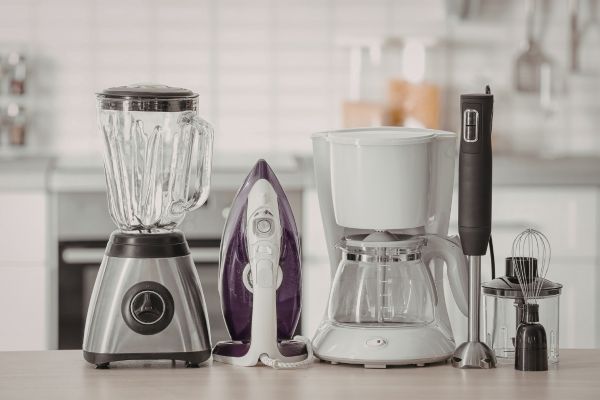
Cooking at home has changed dramatically over the past few years. Kitchens that once relied entirely on manual preparation now include voice-controlled appliances, app-connected cooking tools, and devices smart enough to adjust temperatures automatically. What used to feel futuristic has quietly become part of everyday life, especially for people who genuinely enjoy spending time in the kitchen.
The rise of smart kitchen gadgets for home chefs is not really about turning cooking into a robotic experience. In many ways, it is the opposite. These tools are designed to remove small frustrations, improve consistency, and create more room for creativity. Instead of constantly checking oven temperatures or guessing whether meat is fully cooked, home cooks can focus more on flavor, timing, and experimentation.
At the same time, smart kitchen technology reflects broader lifestyle changes. More people are cooking at home regularly, exploring international recipes, and paying closer attention to nutrition and food quality. Kitchens are becoming multifunctional spaces where convenience and creativity coexist in surprisingly natural ways.
The Modern Kitchen Is Becoming More Connected
A modern kitchen often feels less isolated than it once did. Appliances now communicate with smartphones, digital assistants, and even each other. Refrigerators can track groceries, ovens can be controlled remotely, and coffee makers can begin brewing before anyone steps out of bed.
This connected environment has changed how people approach meal preparation.
For home chefs balancing work, family schedules, and personal routines, convenience matters. Smart technology helps reduce the mental load that cooking sometimes creates after a long day. A connected slow cooker, for example, allows someone to monitor dinner from another room or adjust cooking settings remotely while commuting home.
The shift is subtle but important. Cooking no longer requires constant physical presence in the kitchen every minute of the process.
Yet despite all the technology involved, the goal remains deeply human: making home cooking feel easier, calmer, and more enjoyable.
Smart Ovens Are Redefining Everyday Cooking
Ovens have evolved far beyond basic temperature controls.
Modern smart ovens can recognize food types, suggest cooking times, and automatically adjust heat settings for better results. Some include built-in cameras that allow users to monitor meals through smartphone apps without opening the oven door and releasing heat.
There is also growing interest in steam-assisted cooking technology, which helps retain moisture while improving texture. Bread develops better crusts, roasted vegetables maintain tenderness, and proteins cook more evenly.
Many smart ovens now integrate artificial intelligence features capable of learning cooking preferences over time. They may recommend settings based on previous meals or automatically prevent overcooking by analyzing internal food temperatures.
For home chefs experimenting with unfamiliar recipes, these systems reduce uncertainty without removing the satisfaction of cooking itself.
The experience becomes less stressful and more intuitive.
Precision Cooking Is Becoming More Accessible
One of the biggest changes in home cooking involves precision.
Techniques once associated mainly with professional kitchens are now available to everyday cooks through compact, relatively simple devices. Sous vide cooking is a perfect example. Immersion circulators maintain water at precise temperatures, allowing proteins, vegetables, and even desserts to cook evenly with remarkable consistency.
For many home chefs, sous vide initially sounded overly technical or intimidating. In reality, the process is often surprisingly straightforward. Once temperature and timing are set, the device handles most of the work.
Smart thermometers are another important innovation. Wireless meat probes connected to mobile apps can monitor internal temperatures in real time and send alerts when food reaches ideal doneness.
These tools remove much of the guesswork that traditionally caused cooking anxiety. Instead of repeatedly opening the oven or cutting into food to check progress, cooks receive accurate information instantly.
The result is not perfection in a rigid sense, but greater confidence in the kitchen.
Smart Refrigerators Are Changing Food Management
Refrigerators have become far more interactive than earlier generations.
Some smart refrigerators now include internal cameras that allow users to check contents remotely while grocery shopping. Others track expiration dates, suggest recipes based on available ingredients, or help organize shopping lists automatically.
While not every feature feels essential, the overall concept reflects changing habits around food management and waste reduction.
Food waste remains a major issue in many households, often caused by forgotten leftovers or duplicate grocery purchases. Smart inventory systems attempt to address that problem by making kitchen organization more visible and manageable.
There is also a lifestyle aspect involved. Many people now approach cooking more spontaneously than before, combining ingredients creatively rather than following rigid meal plans. Smart refrigerators support that flexibility by helping users keep track of what is already available.
Coffee Technology Has Become Surprisingly Sophisticated
Coffee preparation has evolved into its own category of smart kitchen innovation.
Modern coffee systems can personalize brewing strength, temperature, grind size, and timing with remarkable precision. Some machines even remember individual preferences for multiple users within the same household.
App-connected coffee makers allow scheduling from bed or remote activation before arriving home. High-end espresso systems include pressure monitoring and automatic milk frothing adjustments that once required significant manual skill.
For people who enjoy coffee rituals, these gadgets are not simply about convenience. They create consistency while still preserving a sense of personal routine.
Interestingly, coffee technology often reflects a broader pattern in smart kitchens. The goal is rarely to eliminate human involvement entirely. Instead, technology handles repetitive technical tasks so users can focus more on enjoyment and experimentation.
Voice Assistants Are Becoming Kitchen Helpers
Voice-controlled systems are becoming increasingly common in home kitchens.
Digital assistants can set timers, convert measurements, read recipes aloud, adjust smart appliance settings, or answer quick cooking questions without requiring cooks to touch screens or devices with messy hands.
This hands-free functionality may sound minor, but it genuinely improves workflow during meal preparation.
Recipes no longer need printed pages balancing awkwardly near stovetops. Timers can be adjusted instantly while kneading dough or handling raw ingredients. Grocery lists update through simple voice commands during cooking sessions.
Over time, these small conveniences accumulate into a smoother cooking experience.
Voice integration also reflects how kitchens are gradually becoming part of broader smart home ecosystems rather than functioning as isolated spaces.
Air Fryers and Multi-Cookers Continue to Evolve
Air fryers exploded in popularity partly because they aligned perfectly with modern cooking habits. People wanted quicker meals, simpler cleanup, and healthier preparation methods without sacrificing texture or flavor.
The latest versions are becoming increasingly intelligent.
Smart air fryers now include guided cooking programs, app integration, remote notifications, and automatic adjustments based on food type. Multi-cookers combine pressure cooking, slow cooking, steaming, sautéing, and rice cooking into single devices with customizable digital controls.
These appliances appeal particularly to busy households because they simplify complicated meal preparation without feeling restrictive.
There is also something psychologically comforting about tools that reduce kitchen stress. Home cooking can be deeply rewarding, but it can also feel exhausting after demanding workdays. Smart multi-functional appliances help bridge that gap between convenience and homemade meals.
Smart Gadgets Are Influencing Healthier Eating Habits
Technology is quietly affecting eating habits as much as cooking techniques.
Some smart kitchen systems track nutritional information automatically, monitor portion sizes, or suggest healthier ingredient alternatives based on personal goals. Connected scales and recipe apps can calculate calories or macronutrients without requiring manual math.
While not everyone wants highly data-driven cooking experiences, many people appreciate having optional insights available.
Meal planning tools are also becoming more sophisticated. Certain apps integrate directly with kitchen appliances, grocery delivery services, and dietary preferences to streamline meal organization.
Interestingly, these technologies often encourage more home cooking overall, which itself tends to support healthier eating patterns compared to frequent restaurant or fast-food meals.
The relationship between convenience and nutrition is becoming more balanced than it once was.
The Challenges of Smart Kitchen Technology
Despite their advantages, smart kitchen gadgets are not without limitations.
Cost remains one of the biggest barriers. High-end connected appliances can be expensive, especially when outfitting an entire kitchen ecosystem. Compatibility issues between different brands sometimes create frustrating user experiences as well.
There is also the question of longevity. Traditional kitchen tools often lasted decades with relatively simple maintenance. Modern smart appliances depend on software updates, wireless connectivity, and digital interfaces that may age more quickly.
Some people also feel overwhelmed by excessive automation. Cooking is deeply personal and sensory, and too much technological intervention can occasionally feel distracting rather than helpful.
Not every kitchen task needs a digital solution.
The most successful smart gadgets tend to enhance natural cooking habits rather than complicate them unnecessarily.
Technology Is Changing the Emotional Experience of Cooking
Perhaps the most interesting aspect of smart kitchen gadgets for home chefs is how they influence the emotional side of cooking.
Cooking has always involved more than food alone. It connects to comfort, creativity, memory, family traditions, and personal identity. Smart technology does not erase those elements. In many cases, it supports them by reducing stress and improving confidence.
A beginner cook may feel more willing to attempt difficult recipes with the support of guided cooking systems. Busy parents may find it easier to prepare homemade meals despite limited time. Enthusiastic food lovers may experiment more freely because precision tools reduce fear of failure.
The kitchen remains a human space, even as technology becomes more present within it.
Conclusion
Smart kitchen gadgets for home chefs are transforming modern cooking in subtle yet meaningful ways. From intelligent ovens and precision cooking devices to connected refrigerators and voice-assisted systems, technology is helping make kitchens more efficient, flexible, and approachable.
The appeal of these innovations goes beyond convenience alone. They support creativity, reduce everyday friction, and encourage more people to cook confidently at home. At the same time, they reflect broader cultural shifts around food, wellness, and connected living.
Not every gadget will become essential, and not every cook wants highly automated experiences. Yet the overall direction is clear. Kitchens are becoming smarter, more adaptive, and increasingly integrated into modern lifestyles.
Even with all the new technology, though, the heart of cooking remains unchanged. People still gather around meals, experiment with flavors, and find comfort in homemade food. The tools may evolve, but the experience itself remains deeply personal.