
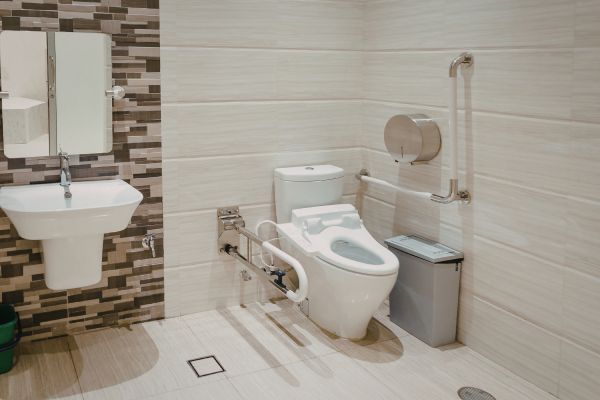
A bathroom may be one of the smallest rooms in the home, but its color choices can shape the entire mood of the space. The right palette can make a narrow bathroom feel open, a plain room feel elegant, or a dated space feel fresh without changing every fixture. That is why bathroom color schemes matter so much. They do more than decorate the walls. They influence light, comfort, cleanliness, and even the way you feel at the start and end of the day.
Choosing colors for a bathroom can feel simple at first. White, grey, blue, beige — all familiar choices. But once tiles, grout, vanity finishes, mirrors, lighting, towels, and flooring enter the picture, the decision becomes more layered. A bathroom has many hard surfaces, and colors often look cooler or brighter than expected because of reflection. A shade that feels soft in a bedroom may appear sharp under bathroom lighting. A dark color that feels luxurious in a design photo may feel heavy in a small room without a window.
The best bathroom color schemes balance style with the actual feeling of the room. They work with natural light, suit the size of the space, and create a mood that feels easy to live with.
Soft Neutrals for a Calm and Timeless Bathroom
Neutral colors remain popular in bathrooms because they create a clean, relaxed background. Shades like warm white, ivory, soft beige, stone, mushroom, and pale taupe can make the room feel peaceful without looking empty. The secret is choosing neutrals with warmth and texture instead of flat, cold shades.
A warm white bathroom, for example, can feel fresh and inviting when paired with natural wood, brushed metal, woven baskets, or stone-look tiles. Beige has also returned in a more modern way. It no longer has to feel old-fashioned or dull. When used with clean lines and simple finishes, beige can create a quiet spa-like atmosphere.
Soft neutral bathroom color schemes are especially useful for small bathrooms because they reflect light well. They also give you freedom to change accessories over time. A neutral room can shift with the seasons through towels, plants, artwork, or a new bath mat. It is a flexible base, and that is one reason it rarely goes out of style.
White and Wood for a Fresh Natural Look
White bathrooms are classic, but they can sometimes feel too plain if every surface is bright and glossy. Adding wood tones brings warmth and balance. A white and wood color scheme works beautifully in modern, Scandinavian, coastal, and minimalist interiors.
The white keeps the bathroom looking clean and open, while the wood adds softness. A light oak vanity, teak stool, bamboo accessories, or warm wood shelving can make a simple bathroom feel more thoughtful. This pairing is especially effective in bathrooms with limited space because it gives the eye a clear, uncluttered look.
The important thing is to avoid making the white too stark. A slightly warm white usually feels more comfortable than a blue-toned white, especially under artificial bathroom lights. If the floor is also pale, a wood vanity can act as the grounding element that stops the room from feeling washed out.
Grey Bathroom Schemes with a Softer Touch
Grey has been used in bathrooms for years, and for good reason. It can look elegant, modern, and calm. However, the wrong grey can make a bathroom feel cold or lifeless. The best grey bathroom color schemes today lean softer and warmer. Think dove grey, greige, clay-grey, or stone grey rather than harsh charcoal everywhere.
A pale grey wall with white fixtures and warm brass or brushed nickel details can feel refined without being dramatic. Deeper grey tiles can work well on the floor or in the shower, especially when balanced with lighter walls. For a richer mood, charcoal can be used on a vanity or feature wall, but it usually works best when the room has good lighting.
Grey also pairs beautifully with natural materials. Add wood, linen-textured towels, greenery, or stone surfaces, and the bathroom starts to feel layered rather than flat. This is where grey becomes timeless instead of trendy.
Blue Bathroom Color Schemes for a Clean Coastal Mood
Blue is one of the most natural bathroom colors because it connects with water, air, and calm. From pale sky blue to deep navy, it can create many different moods. Light blue feels fresh and airy, making it a lovely choice for smaller bathrooms or rooms that need a gentle lift. Powder blue, misty blue, and soft blue-grey shades can make the space feel open without being too bright.
Navy offers a completely different effect. It can make a bathroom look bold, polished, and slightly dramatic. A navy vanity with white walls and marble-style surfaces is a strong but still classic combination. Navy also works beautifully with brass, matte black, or chrome accents, depending on the style you want.
For a relaxed coastal feeling, blue pairs well with white, sandy beige, light wood, and woven textures. The result should feel natural, not themed. A few subtle choices are enough. You do not need seashell decorations or beach signs to create a coastal mood. The colors can do the work quietly.
Green Bathrooms for a Fresh and Restful Feel
Green has become one of the most appealing bathroom colors because it brings a sense of nature indoors. It feels restful, fresh, and a little more unexpected than standard neutrals. Sage green, eucalyptus, olive, forest green, and soft mint can all work, but each creates a different atmosphere.
Sage green is gentle and easy to live with. It pairs well with white, cream, wood, and brushed brass. It can make a bathroom feel calm without looking too plain. Olive green brings more depth and works well with warmer tiles or vintage-inspired fixtures. Dark forest green can feel rich and dramatic, especially on a vanity, half wall, or shower tile.
Green bathroom color schemes are especially successful when paired with organic textures. Plants, stone, rattan, and wood all help the color feel connected to nature. Even a small bathroom can handle green if the shade is chosen carefully and balanced with lighter surfaces.
Black and White for a Sharp Classic Statement
Black and white bathrooms have a strong graphic quality. They can feel vintage, modern, elegant, or bold depending on the materials used. White subway tiles with black grout create a crisp, slightly industrial look. Black floor tiles with white walls feel classic and grounded. A black vanity against a white background can create a clean focal point without overwhelming the room.
The beauty of black and white is contrast. It gives structure to the bathroom and makes even simple details stand out. However, balance matters. Too much black in a small bathroom can feel heavy unless there is strong lighting or plenty of white space around it.
For a softer version, use black in smaller details such as mirror frames, faucets, cabinet handles, or light fixtures. This keeps the room stylish without making it feel too intense. Adding wood or warm metal can also reduce the sharpness and make the space more welcoming.
Earthy Tones for Warmth and Character
Earthy bathroom color schemes are perfect for anyone who wants a room that feels grounded and comfortable. Terracotta, clay, sand, rust, warm brown, caramel, and muted peach can bring warmth into a bathroom in a very natural way. These colors work especially well with handmade-style tiles, textured walls, stone basins, and wood accents.
A terracotta floor with cream walls can feel Mediterranean and relaxed. A warm brown vanity with beige tiles can look rich but still understated. Muted peach or clay walls can add softness without becoming overly sweet.
Earth tones are also forgiving. They do not show every small mark or splash in the same way as pure white surfaces. More importantly, they make the bathroom feel lived-in and personal. They are ideal when you want style, but not a room that feels too perfect to use.
Soft Pastels for a Light and Charming Bathroom
Pastels can be beautiful in bathrooms when used with restraint. Pale pink, powder blue, mint, lavender-grey, and buttery yellow can add personality without overwhelming the space. The key is choosing muted pastels rather than overly bright or sugary shades.
A blush pink bathroom with warm white tiles and brass details can feel elegant and calm. Mint green can feel fresh and cheerful, especially in a small powder room. Soft lavender-grey can create a gentle, sophisticated mood without feeling too feminine or decorative.
Pastels work well when the rest of the room is simple. Clean white fixtures, natural wood, plain mirrors, and subtle flooring help keep the color from looking childish. In the right balance, pastels give a bathroom charm and softness that neutrals sometimes lack.
Dark and Moody Palettes for a Luxurious Feel
Dark bathroom color schemes can be striking. Deep charcoal, navy, forest green, chocolate brown, and blackened plum can turn a simple bathroom into a dramatic retreat. These colors are especially effective in powder rooms, where a bold look can feel intentional and memorable.
In a full bathroom, dark colors need careful planning. Good lighting is essential. Wall sconces, mirror lighting, and ceiling lights can keep the space from feeling shadowy. Reflective surfaces also help. Mirrors, glass shower doors, glossy tiles, and metallic accents can bounce light around the room.
A dark palette does not have to mean painting every wall. You can use a deep color on the vanity, shower tile, or one feature wall while keeping the rest of the room lighter. This gives the bathroom depth without closing it in.
Choosing Colors Based on Bathroom Size and Light
Before choosing any palette, look closely at the bathroom itself. A small bathroom with no natural light usually benefits from lighter or warmer colors. Cool whites and greys can become harsh in artificial light, while warm neutrals, soft greens, and gentle beige tones often feel more flattering.
A large bathroom can handle stronger contrasts and darker colors more easily. If there is a window, you have more freedom because natural light changes the way color feels during the day. Morning light may make colors appear cooler, while warm evening bulbs can make them look richer.
It is also important to test samples. Paint a small area or place color swatches near the tile, vanity, and mirror. Bathroom lighting can be tricky, and the same color can look very different from morning to night. A little testing can prevent a shade from feeling too yellow, too blue, or too dark once it covers the whole wall.
Bringing the Whole Scheme Together
A successful bathroom color scheme is not only about wall color. It includes the floor, tiles, fixtures, hardware, towels, storage, and even the mirror frame. These details should feel connected, even if they are not all the same color.
One easy approach is to choose a main color, a supporting neutral, and one accent finish. For example, sage green walls, warm white tiles, and brass hardware. Or navy vanity, pale grey walls, and chrome details. This keeps the design focused without making it feel overly matched.
Texture also matters. A bathroom with only smooth, shiny surfaces can feel cold, even if the color is beautiful. Soft towels, matte tiles, wood, stone, woven baskets, or plants can bring the scheme to life. Color sets the mood, but texture makes the room feel complete.
Conclusion
The best bathroom color schemes are the ones that make the room feel both stylish and comfortable. Some bathrooms need soft neutrals to open them up. Others come alive with deep navy, sage green, earthy clay, or sharp black and white contrast. There is no single perfect palette for every space, because every bathroom has its own size, light, finishes, and personality.
A good makeover starts by noticing what the room already has and deciding how you want it to feel. Calm and airy. Warm and natural. Clean and classic. Bold and dramatic. Once that mood is clear, the colors become easier to choose. In the end, a bathroom does not need to be large or expensive to feel beautiful. With the right color scheme, even the simplest space can feel more thoughtful, more balanced, and much more enjoyable to use every day.