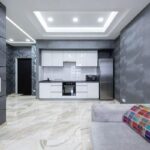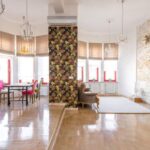
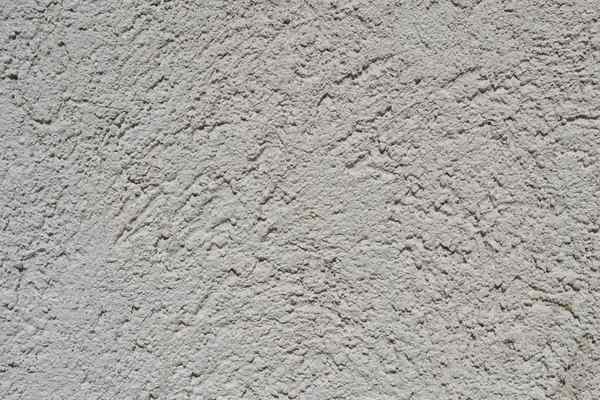
For years, the default modern interior was built around smooth plasterboard, crisp paint and surfaces designed to disappear. In 2026, that polished sameness is giving way to something more expressive. Textured wall finishes for modern homes bring movement, shadow and a sense of craftsmanship into rooms that might otherwise feel flat. The appeal is not necessarily rustic or heavily decorative. The most successful finishes are often restrained, tonal and deliberately imperfect, adding depth without overwhelming contemporary furniture or clean architecture.
Texture also changes the way a room responds to light. A smooth wall tends to look consistent throughout the day, while a tactile surface shifts as daylight moves across it. Fine ridges, cloudy colour variations and hand-applied marks appear stronger from certain angles. This makes textured walls feel quietly dynamic, even when the palette is neutral.
Why Textured Walls Work in Modern Homes
Modern design values simplicity, but simplicity does not have to feel sterile. Texture creates interest without filling a room with extra artwork, accessories or contrasting colours. The wall itself becomes part of the composition.
This approach is especially useful in open-plan spaces. A change in finish can define a dining area, reading corner or fireplace wall without constructing a divider. It can also soften sharp lines, large windows and minimal furniture, helping a new interior feel warmer and more settled.
Popular Textured Wall Finishes
Limewash for Cloudy Movement
Limewash is one of the most recognisable wall finish ideas for creating subtle depth. Applied in overlapping strokes, it produces gentle tonal variation rather than a solid block of colour. Its chalky appearance works well with timber, linen, stone and warm metals.
Soft clay, sand, mushroom, muted green and smoky blue can add atmosphere without making a room feel busy. The final look depends on the product, wall surface and application method, so test a generous sample under the room’s actual lighting before committing.
Venetian Plaster for Refined Depth
Venetian plaster can range from softly mottled and stone-like to smooth and polished. In modern homes, quieter versions are often the most versatile. They introduce movement while maintaining a clean, sophisticated appearance.
This finish is effective on fireplace surrounds, entrance walls and other architectural features where light can skim across the surface. A seamless or highly polished result may require specialist preparation and installation, making it best suited to a focal area rather than an impulsive whole-room project.
Clay Plaster for a Natural Matt Finish
Clay plaster has an earthy softness that suits calm, material-led interiors. It usually appears matt and gently uneven, looking smooth from a distance while revealing fine texture up close. It pairs naturally with pale woods, woven fabrics and handmade ceramics.
Products vary in durability and maintenance requirements. Check whether the chosen system is suitable for the room and expected level of wear, particularly in hallways, kitchens or other high-contact areas.
Microcement for a Seamless Look
Microcement creates a continuous surface with the visual character of concrete but without the joints associated with large slabs or tiles. Its understated variation suits contemporary kitchens, bathrooms, fireplace surrounds and built-in features.
Although the result looks minimal, the installation can involve careful base preparation, primers, several coats and sealers. In wet or heavily used areas, professional specification and application are important for performance as well as appearance.
Textured Paint and Brush Effects
Not every tactile finish needs specialist plaster. Textured paints and decorative brush techniques can create a more accessible version of the look. Cross-brushing, dragging or layering related tones can produce a soft mineral-style effect with less physical relief.
This option works well across larger areas where a heavy texture might dominate. Subtle colour variation usually feels more contemporary than an obvious repeated pattern, so restraint is essential.
Fluted and Sculptural Panels
Fluted timber, reeded panels, ribbed tiles and three-dimensional wall panels introduce stronger architectural relief. Side lighting creates a rhythm of highlights and shadows, making these surfaces effective behind a bed, television unit, dining table or hallway console.
Use deep texture with purpose. Covering every wall can feel visually demanding and may create additional cleaning needs. One carefully positioned feature often provides enough impact, especially when its colour or material connects with nearby flooring or joinery.
How to Choose the Right Finish
Begin with the room’s function rather than the trend. A delicate or absorbent finish may suit a quiet bedroom but be less practical beside a cooker, basin or busy staircase. Consider moisture, marks, cleaning and future repairs. Manufacturer guidance and an experienced installer can help confirm whether a system is appropriate.
Next, assess the light. Rougher surfaces create stronger shadows, while softly mottled finishes rely on tonal movement. Heavy texture may look darker in a dim room, whereas a pale finish can become surprisingly active in strong daylight. View samples vertically and at different times of day.
Scale matters too. Fine texture can cover several walls, while deep relief needs more breathing space. Consider the room size, furniture and viewing distance.
Keeping the Result Modern
A modern scheme needs a clear hierarchy. Let one surface carry the strongest texture and keep surrounding materials quieter. A limewashed wall can sit beside plain cabinetry and simple upholstery, while a fluted feature can be balanced by smooth flooring and restrained colour.
Repeating related tones is another effective strategy. Texture provides contrast on its own, so the colour does not always need to be bold. Warm beige plaster beside oak, cream fabric and pale stone can feel layered even when every element belongs to the same tonal family.
Lighting should be planned as part of the finish. Wall washers, concealed strips and nearby lamps can reveal detail that general overhead lighting misses. However, directional light can also expose poor preparation, which makes samples and small mock-ups valuable before the final application.
Frequently Asked Questions
Are textured wall finishes suitable for small rooms?
Yes. Fine plaster, limewash or a softly brushed paint effect can add depth without making a small room feel crowded. Keep the palette cohesive and avoid heavy relief on every wall.
Can textured walls be cleaned?
Cleanability depends on the product and protective system. Some sealed finishes can be wiped, while porous surfaces require gentler care. Check the manufacturer’s instructions before using a finish in a busy area.
Do textured finishes hide imperfect walls?
They may visually soften minor irregularities, but they are not a substitute for proper preparation. Cracks, damp, loose material and significant unevenness should be repaired first.
Will textured walls quickly look dated?
Extreme patterns may date, but subtle plaster, limewash and natural material effects have a long design history. A finish chosen to suit the architecture is more likely to remain appealing.
Conclusion
Textured wall finishes for modern homes replace visual flatness with depth, warmth and character. From cloudy limewash and refined plaster to seamless microcement and sculptural panels, the options range from understated to dramatic. The best result comes from matching the material to the room, testing it in real light and accepting its natural variation. Used thoughtfully, tactile wall design can make a modern interior feel calmer, richer and distinctly personal.