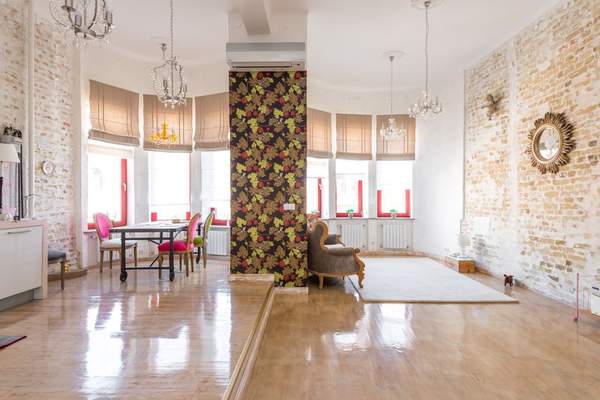
There is a reason rooms built from perfectly coordinated furniture suites can feel flat. When every chair, table and cabinet appears to have arrived from the same catalogue, there is little sense of history or discovery. A recurring theme in 2026 furniture coverage is the move away from fast, identical pieces toward craftsmanship, vintage finds and interiors that look assembled over time. Learning how to mix vintage and modern furniture is therefore less about following a strict formula and more about creating visual connections between pieces from different eras.
The strongest rooms do not hide the contrast between old and new. They use it. A clean-lined contemporary sofa can make a carved side table more interesting, while a worn oak chest can stop a sleek room from feeling clinical. The goal is not to make everything match. It is to make the differences feel deliberate.
Choose a dominant direction
A vintage modern mix becomes easier when one style provides the background and the other supplies contrast. In a mostly contemporary room, vintage furniture might be limited to a few high-impact pieces: an antique cabinet, a mid-century chair or a timeworn coffee table. In an older home, modern lighting, a simple sofa and graphic artwork can provide the cleaner counterpoint.
Find a connecting thread between eras
Eclectic furniture styling works best when unrelated pieces share at least one quality. The connection might be colour, material, scale or shape. A 1970s walnut sideboard and a new cream chair come from different decades, but both can feel warm and tactile. A contemporary metal lamp can sit beside an older dark desk because the finish creates a visual bridge.
Colour is especially useful. If a vintage armchair has rust-coloured upholstery, repeat a related tone in modern artwork, a cushion or a rug. That repetition tells the eye the combination is intentional.
Balance visual weight, not quantity
One antique can carry more visual weight than several understated modern pieces. A large carved armoire may already provide enough historic character for a bedroom. Adding an antique bed, ornate bedside tables and a decorative mirror could push the room toward a period look when that was not the aim.
Stand at the doorway and notice where your eye lands. If one side feels heavy with dark wood, detail or patina, use simpler shapes and lighter finishes elsewhere. This is more reliable than trying to create an exact fifty-fifty split.
Use one character piece as an anchor
If you are nervous about mixing styles, begin with one vintage piece that has presence. Storage furniture works particularly well because it is practical and substantial. A teak credenza, old pine cupboard or marble-topped chest can establish a collected home decor feeling without forcing you to redesign the entire room.
Build around that anchor with quieter modern furniture and give it breathing room. A beautiful old cabinet squeezed between several competing statement pieces loses much of its impact.
Repeat materials without making them match
Mixing wood tones, metals and upholstery is usually more interesting than matching them exactly, but repetition keeps variety under control. If you introduce brass on a vintage lamp, echo a little brass elsewhere. If a modern table has black steel legs, a black picture frame or floor lamp can help connect it to the room.
Let age show, but check condition carefully
Older furniture often looks best when some evidence of its life remains. Minor scratches, softened edges, faded timber and aged metal can provide texture that new furniture lacks. Over-restoring everything can remove the character you bought it for.
Still, inspect vintage pieces for structural problems. Check whether chairs wobble, drawers run properly, joints are stable and previous repairs are sound. Cosmetic wear can be charming; a weak frame is a practical problem.
A practical living-room example
Imagine a living room with a low grey modular sofa, pale walls and a simple wool rug. Instead of adding a matching modern media unit and side tables, bring in a 1960s teak sideboard, then place an older bentwood chair near the window. Keep the coffee table contemporary, perhaps in glass or stone, so the room does not drift too far into one era.
Repeat one warm wood tone in a smaller detail and choose art that relates to the room’s palette rather than its period. The result feels layered without becoming themed. This is especially useful in small spaces, where one or two distinctive older pieces can create more personality than a large collection of accessories.
Keep the room edited
Collected does not mean crowded. The most convincing mix of eras usually includes empty space, restrained accessories and a clear hierarchy. If every surface holds vintage objects, the room can start to resemble a shop display. If everything is new except one token antique, the older piece may feel stranded.
When styling shelves and tables, mix objects by shape and material rather than age. A contemporary ceramic vase, an inherited box and books can work together because their scale and colours relate. The same principle applies when planning living room furniture layout, choosing a cohesive colour palette or refining small-space styling.
Buy for the room you actually have
Provenance can make vintage furniture more meaningful, but a good story does not fix bad proportions. Measure the piece, the route into your home and the space around it. Check height against nearby furniture and make sure doors and drawers can open fully.
Frequently asked questions
Can you mix antique furniture with very modern furniture?
Yes. Strong contrast can work beautifully when scale, colour or material creates a connection. A traditional chest can sit beside a minimalist sofa if both have enough breathing space and a compatible tone appears elsewhere in the room.
How many vintage pieces should be in one room?
There is no fixed number. Start with one visually significant piece, then assess the balance before adding more. A large antique cabinet may be enough, while several smaller vintage pieces can coexist without dominating the space.
Do all wood tones need to match?
No. Mixed woods often make a room look more natural and collected. Aim for compatible undertones and repeat at least one wood family or colour so the combination feels connected.
How do you stop mixed furniture styles from looking messy?
Limit competing statement pieces, repeat colours or materials, leave negative space and keep a clear dominant style. Cohesion comes from relationships between objects, not from making everything belong to the same period.
Create a room that looks collected, not coordinated
The easiest way to mix vintage and modern furniture without it looking off is to stop chasing perfect matching and start looking for visual relationships. Let one era lead, connect contrasting pieces through colour or material, balance their visual weight and leave enough space for individual items to be noticed.
That approach suits the current move toward homes with personality, craftsmanship and a sense of history. More importantly, it produces rooms that can keep evolving. A home assembled gradually from useful, distinctive pieces is harder to date than one built around a single furniture set, and far more likely to feel like your own.