After years of pale rooms, empty surfaces, and carefully edited neutrals, interiors are becoming expressive again. Yet the new mood is not simply a return to visual excess. Thoughtful maximalism creates rooms that feel rich, personal, and layered without becoming chaotic. It reflects a wider 2026 shift away from stark minimalism towards homes with memory, character, and a clear point of view.
The most useful thoughtful maximalism decorating principles are less about buying more and more about making stronger connections between what you own. Colour, pattern, art, books, textiles, and collected objects can share a room, provided they are held together by intention. The result should feel generous and lived-in, not crowded.
Start With a Story, Not a Shopping List
A successful maximalist room begins with an idea. It might be a favourite landscape, a family collection, a period of design, or simply a feeling you want the room to create. Starting with a story gives every later decision a filter. A patterned chair may be beautiful, but does it support the atmosphere you are building?
This separates thoughtful maximalism from random accumulation. Choose pieces that reveal something about your taste or experiences. Inherited ceramics, contemporary art, travel finds, and well-used books can feel coherent when each contributes to the same personal narrative.
Create a Clear Visual Hierarchy
More elements do not mean every element should compete for attention. One of the key thoughtful maximalism decorating principles is deciding what the eye should notice first, second, and third. A dramatic wallpaper may be the main event, while furniture and accessories play supporting roles. Elsewhere, a sculptural sofa or oversized painting might lead the composition.
Visual hierarchy prevents a richly decorated room from feeling exhausting. Choose one or two focal points, then vary the scale and intensity of surrounding pieces. Large shapes anchor the space, medium-sized elements build rhythm, and smaller objects add detail.
Use Colour as the Connecting Thread
Colour quickly makes an eclectic interior feel intentional. You do not need to match every item, but repeating a small number of shades creates continuity. A green from the wallpaper might reappear in a cushion, a ceramic vase, and a lampshade trim. These echoes help unrelated pieces belong together.
Begin with a dominant colour, add one or two supporting shades, and allow a few accents for surprise. The palette can be bold, moody, warm, or jewel-toned, but it needs enough repetition to guide the eye. This makes maximalist decorating feel composed rather than accidental.
Layer Pattern With a System
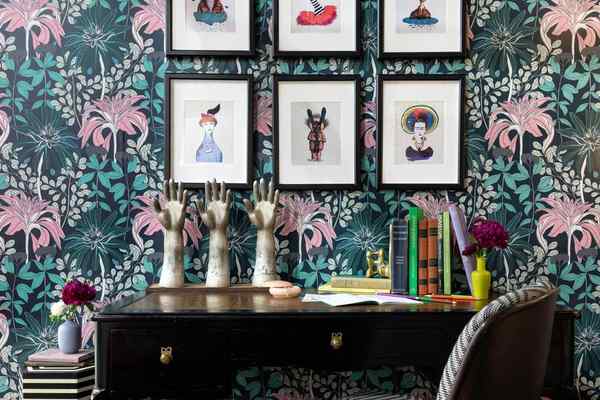
Pattern mixing is central to a layered decor style, although it works best with a simple structure. Combine patterns of different scales rather than several designs with equal visual weight. A broad botanical wallpaper can sit beside a medium check and a small geometric print because each occupies a different level of detail.
Look for a shared colour or similar mood between patterns. Florals, stripes, animal motifs, and abstract designs can coexist when one element links them. Include quieter areas, such as a solid-colour sofa or plain curtains, so the patterns have space to breathe.
Mix Periods, but Repeat Shapes and Materials
Thoughtful maximalism welcomes contrast. An antique sideboard can work beside a modern lamp, while a mid-century chair can sit beneath traditional artwork. The aim is not to recreate one historical period but to build a home that feels collected over time.
To keep eclectic interior styling from becoming fragmented, repeat shapes or materials across different eras. Curved furniture can connect an Art Deco mirror with a contemporary armchair. Warm wood tones can link an old cabinet to a newer coffee table. Brass, marble, rattan, or velvet can also create subtle relationships between distinct pieces.
Build Depth Through Texture
A maximalist interior should be as satisfying to touch as it is to see. Texture adds richness without relying only on louder colours or more patterns. Velvet, linen, wool, lacquer, aged timber, glass, ceramics, and woven fibres each reflect light differently and give a room physical depth.
Contrast is particularly effective. Pair a glossy surface with something matte, a smooth fabric with a nubby weave, or polished metal with weathered wood. These combinations make a room feel nuanced and allow quieter elements to contribute strongly.
Curate Collections Instead of Scattering Them
Collections bring authenticity to maximalist decorating, but their placement matters. A group of similar objects usually has more impact than the same items spread around the room. Display ceramics together, arrange small artworks as a considered gallery wall, or dedicate one cabinet to treasured finds.
Grouping creates order and turns ordinary belongings into a visual statement. Vary height, shape, and spacing within the collection, and leave a little negative space around it. Even in a more-is-more interior, empty space helps frame what matters.
Balance Abundance With Practicality
A beautiful room still has to support daily life. Keep walkways clear, make sure seating is comfortable, and avoid covering every usable surface. Storage matters in a layered home because it separates display-worthy items from everyday clutter that is better concealed.
Edit regularly. Thoughtful maximalism is an ongoing process of arranging, removing, and rediscovering. When a display feels flat, take everything down and rebuild it. Often, subtracting one object gives the remaining pieces more presence.
Let the Room Evolve Slowly
Rooms with depth rarely look convincing when completed in one shopping trip. Let the design develop over months or years. Add pieces when they genuinely contribute something, not because a corner seems temporarily empty. This slower approach creates a more individual home and reduces the temptation to follow every trend.
You can begin with a favourite rug, wall colour, or small collection, then build outward. The goal is not instant perfection, but a space that becomes more expressive as your life and taste evolve.
Frequently Asked Questions
What is thoughtful maximalism?
Thoughtful maximalism is an intentional approach to abundant decorating. It combines colour, pattern, texture, art, and collections while using repetition, hierarchy, and editing to keep the room coherent.
How is thoughtful maximalism different from clutter?
Clutter usually lacks purpose or organisation. Thoughtful maximalism gives objects clear relationships and defined places, so a room feels layered and personal rather than disordered.
Can maximalist decorating work in a small room?
Yes. Use one strong focal point, repeat a limited palette, group collections, and keep pathways and functional surfaces clear. A small space can feel intimate and expressive without feeling cramped.
Do all maximalist rooms need bold colours?
No. Maximalism can be built through texture, art, books, shape, and material as well as colour. A muted room can still feel richly layered when it contains varied surfaces and meaningful objects.
A More Personal Way to Decorate
The best thoughtful maximalism decorating principles create freedom within a framework. They invite you to mix periods, celebrate collections, and use colour and pattern with confidence while considering balance and function. Instead of stripping a home back until it could belong to anyone, this approach builds character through careful layers.
That is why thoughtful maximalism feels relevant now. It offers an alternative to sterile minimalism and uncontrolled excess: a home with abundance and clarity, visual energy and comfort, and a story that belongs to the people who live there.