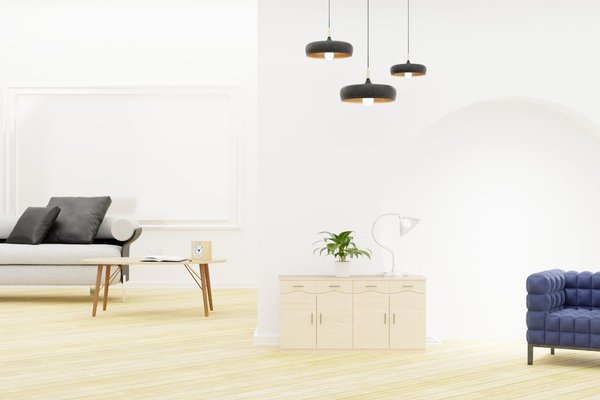
A minimalist living room should make everyday life easier, not make everyone afraid to put down a mug. The best minimalist living room ideas leave space to move, give useful belongings a proper home, and make the room feel inviting after a long day. That means fewer distractions, but not necessarily fewer comforts.
Instead of starting with pale furniture, begin with how your room actually works. Where do people sit, walk, read, watch television, or drop their keys? Once those routines are clear, a calmer and warmer space becomes easier to create.
Plan Around What You Do in the Room
Before moving furniture, name the activities that happen most often. A living room used for family film nights needs generous seating and a place for drinks. A space used mainly for conversation can have chairs facing each other rather than every seat pointing toward a screen.
Try drawing a simple floor plan with the sofa, doors, windows, and largest storage piece. Mark the routes people take through the room. If someone must squeeze between a coffee table and the sofa every time they enter, the layout needs attention before the decor does.
Keep Empty Space Where It Helps
Negative space is useful when it makes movement and cleaning easier. It is less useful when all the furniture has been pushed against the walls, leaving a disconnected island of bare floor. Pulling a sofa slightly forward or bringing an accent chair into the conversation area may make the room feel more relaxed.
Build Warmth With Texture, Not Clutter
A pared-back color scheme can still have depth. Choose one warm base, such as ivory, oatmeal, or soft greige, then add subtle variation through wood, woven materials, and fabric. The aim is not to match every surface. It is to make a limited palette feel layered. Warm neutral living room color schemes can help you choose compatible finishes.
Use a Rug to Connect the Seating
A living room can look sparse when the sofa, chairs, and tables seem unrelated. A rug helps define their shared area. Ideally, at least the front legs of the main seating pieces should rest on it, if the room and rug sizes allow. A rug that barely fits beneath the coffee table can make the furniture feel scattered.
Mix Soft and Structured Surfaces
Pair a clean-lined sofa with a knitted throw, a linen-look cushion, and a wooden side table. You do not need a mountain of pillows. Two cushions with different textures often create more interest than six nearly identical ones. Natural materials add warmth, but practical, durable alternatives work well too.
Choose Fewer Pieces That Work Harder
Simple living room ideas become especially effective when every major piece earns its floor space. A compact sofa with supportive cushions may be more comfortable than an oversized sectional that blocks a doorway. A nesting table can provide an extra surface for guests, then tuck away when it is not needed.
Think About Scale Before Style
Measure furniture footprints with painter’s tape on the floor before buying. Leave room to open storage doors and pull out a chair. A visually light piece is not automatically a good fit if its dimensions interrupt the room.
In a narrow living room, an upholstered ottoman with a stable tray might replace a bulky coffee table, provided the arrangement suits the household. Small living room furniture layouts offer useful ways to compare other seating arrangements.
Make Storage Part of the Design
An uncluttered living room is usually the result of convenient storage, not constant tidying. Put belongings near the places they are used. Keep remote controls in a drawer beside the sofa, magazines in one basket, and charging cables in a designated spot with safe cable routing.
Closed cabinets are helpful for toys, games, spare chargers, and other visually busy objects. Open shelving is better for a limited collection that you genuinely enjoy seeing. Mixing both gives the room character without requiring every possession to become a display.
Leave Room for Real Life
Imagine a 12-by-15-foot living room shared by two adults and a child. Keep the main sofa and a comfortable reading chair, choose one generously sized rug, and use a low cabinet for games and television accessories. Add a lidded basket near the seating for items that need putting away each evening. The room can look calm within minutes without pretending the family owns nothing.
Layer Lighting for a Softer Atmosphere
Minimalist living room decor often looks unfinished when one bright ceiling fixture does all the work. Include light at different heights: overhead lighting for cleaning, a shaded table or floor lamp for evenings, and a focused reading light where someone actually reads.
Warm-white bulbs often feel more inviting in living areas than cool, stark lighting. Check bulb brightness, dimmer compatibility, and the shade’s effect before committing. A lamp that casts a gentle pool of light beside the sofa can make a plain corner feel welcoming without adding another decorative object. Layered living room lighting ideas can help you plan the mix.
Display Personality Selectively
Minimalism does not require blank walls or anonymous accessories. Choose artwork, books, and keepsakes that tell a story about the people living there. One large framed print above the sofa can feel more deliberate than several small pieces competing for attention.
A Practical Weekend Reset
Start by removing objects from the floor and main tabletops, then return only what serves a purpose or brings pleasure. Rearrange existing seating to improve conversation and circulation. Group visible accessories into smaller, deliberate collections. Finally, switch on the evening lights and sit in the room. Notice what feels awkward, dark, or inconvenient before buying anything new.
Making the room easier to use is a better measure of success than achieving a perfectly bare photograph.
Frequently Asked Questions
How can I make a minimalist living room feel cozy?
Keep comfortable seating, layer soft textures, use warm lighting, and add a few meaningful pieces. A substantial rug and a well-placed lamp often contribute more warmth than lots of small accessories.
What colors work best for a warm minimalist living room?
Ivory, warm white, sand, taupe, muted clay, and soft earthy greens are flexible choices. Test samples in the room at different times of day because daylight and artificial light change how colors appear.
Can a small living room still look minimalist?
Yes. Prioritize clear walking routes, appropriately scaled furniture, and easy-access storage. Keeping fewer oversized pieces can be more effective than filling the room with many small items.
Do I have to remove all decorations?
No. Keep the pieces you enjoy most and give them breathing space. The goal is to reduce visual competition, not erase your personality.
Keep Comfort at the Center
The most successful minimalist living room ideas are built around daily habits: a sofa that invites you to sit, a layout that welcomes guests, lighting that suits the evening, and storage that makes cleanup straightforward. Edit what distracts, keep what supports real life, and let warmth come from materials, memories, and the way the room is used.