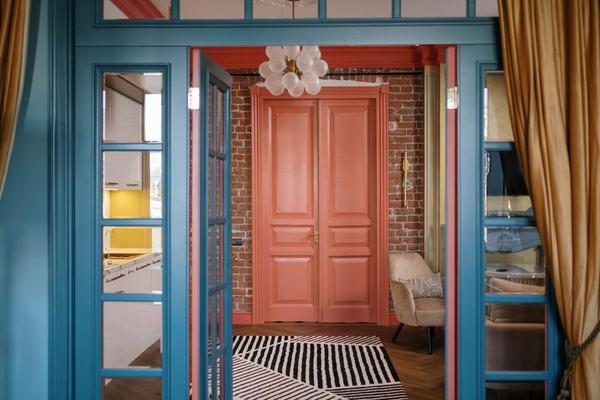
After years of bright white rooms and barely-there greige, color is returning to interiors with confidence. The shift is not simply toward louder homes. It is toward rooms that feel warmer, more personal, and more intentional. That is why bold accent wall color trends 2026 are attracting attention: homeowners want visual impact without necessarily committing every surface to a saturated shade.
The newest accent walls are more considered than the random feature walls of the early 2000s. Designers are using color to frame architecture, create a focal point, or change the mood of a room. At the same time, color drenching and full-room palettes are growing, so the modern accent wall must look connected to the rest of the space rather than added as an afterthought.
Why Bold Accent Walls Feel Right Again
All-white interiors became popular because they looked clean and flexible. Yet a room made entirely from cool whites can feel flat, especially when it lacks strong texture, art, or natural materials. In 2026, richer paint choices are offering an accessible way to bring back depth.
An accent wall remains appealing because it is a manageable design decision. It requires less paint than a full-room transformation and gives homeowners room to experiment. The best accent wall ideas also solve a practical problem. They can anchor a bed, define a dining area in an open-plan home, highlight built-in shelves, or make a plain fireplace feel more architectural.
However, the trend is moving away from choosing one unrelated dark wall and leaving everything else stark white. Successful statement wall paint now shares an undertone with the flooring, upholstery, woodwork, or surrounding walls. The result feels layered and deliberate.
The Bold Wall Colors Defining 2026
Warm Mahogany, Burgundy, and Oxblood
Deep reds are among the strongest color stories of the year. Warm mahogany, burgundy, rust-red, and oxblood bring richness without the sharp intensity of a primary red. Their brown undertones make them easier to live with and especially effective in dining rooms, libraries, bedrooms, and living spaces with warm wood furniture.
These shades pair naturally with cream, camel, walnut, aged brass, and muted pink. For a softer effect, choose a red with earthy or plum undertones rather than a bright cherry finish.
Dusty Emerald and Moss Green
Green continues to hold its place in interiors, but the direction is deeper and more atmospheric. Dusty emerald, moss, olive, and forest green connect a room to nature while still creating drama. They work particularly well behind a bed, sofa, or collection of framed art.
Green is one of the most versatile bold wall colors because it sits comfortably beside stone, timber, rattan, linen, and metallic finishes. A muted green accent wall can feel striking in daylight and calm at night.
Prussian Blue, Teal, and Inky Navy
Blue accent walls are not disappearing, but they are becoming more complex. Instead of predictable navy, 2026 favors Prussian blue, deep teal, mineral blue, and blue-black tones. These colors add depth while maintaining a sense of order, which makes them useful in home offices, bedrooms, and modern living rooms.
To prevent dark blue from feeling cold, combine it with warm white, cognac leather, oak, terracotta, or antique brass.
Terracotta, Clay, and Mustard
Earthy warmth is another major influence. Terracotta, sunbaked clay, ochre, and mustard create a grounded look that feels expressive but approachable. These shades work beautifully in rooms with abundant daylight, handmade ceramics, woven textures, and warm neutral furniture.
They are useful for homeowners who want a departure from beige without moving into cool jewel tones. A clay-colored wall can add character while still functioning almost like a neutral.
Aubergine and Smoky Plum
Purple is returning in mature, muted forms. Aubergine, smoky plum, and brown-based violet can make a bedroom, powder room, or reading corner feel luxurious. Cream, dark wood, bronze, and dusty rose keep the look refined rather than theatrical.
How to Make an Accent Wall Look Current
Start by choosing the wall for a reason. The natural focal point is usually the best candidate: the wall behind the headboard, the fireplace wall, the dining wall, or the surface that holds built-in cabinetry. Avoid highlighting a wall crowded with doors, switches, or competing architectural features.
Next, repeat the accent color elsewhere in small amounts. A cushion, artwork, lampshade, rug detail, or ceramic object can connect the wall to the room. The repetition does not need to be exact. Related tones often look more sophisticated than a perfect match.
Consider painting beyond the flat wall. Extending the color across shelving, trim, a door, or part of the ceiling can create a more immersive effect. This approach bridges the gap between a traditional accent wall and full color drenching, one of the most visible directions in current interior design.
Finally, test large samples in the actual room. Saturated colors change dramatically with daylight direction, artificial lighting, and surrounding materials. Observe the sample in the morning, afternoon, and evening before making the final decision.
Common Mistakes to Avoid
The biggest mistake is choosing color in isolation. Statement wall paint should support the room’s furniture, flooring, and light rather than compete with them. Another common problem is using brilliant white on the remaining walls when the accent shade has warm undertones. A softer cream, putty, or tinted neutral may create a smoother transition.
A bold wall does not need equally bold furniture, patterned curtains, dramatic lighting, and several competing accessories. Give the color space to lead. Texture and a few well-chosen contrasts will usually create a stronger result.
Frequently Asked Questions
Are accent walls still in style in 2026?
Yes, but the look has evolved. The most current accent walls are tied to the architecture and wider palette of the room. Some designers prefer color drenching, yet a purposeful accent wall remains an effective option for adding depth and personality with less commitment.
What is the most popular bold accent wall color for 2026?
There is no single dominant shade, but deep nature-inspired and earthy colors are leading. Warm mahogany, burgundy, moss green, dusty emerald, Prussian blue, teal, terracotta, and aubergine all reflect the move toward richer interiors.
Should an accent wall be darker than the other walls?
Often, yes. A darker wall naturally becomes a focal point and can add visual depth. However, a brighter or warmer color can also work when it relates clearly to the room’s furnishings and receives suitable light.
Which room is best for a bold accent wall?
Bedrooms, living rooms, dining rooms, home offices, and powder rooms are all good candidates. The best room is one with a clear focal wall and a color that supports how the space should feel, whether that is restful, sociable, dramatic, or energizing.
A More Personal Approach to Color
The return of bold color is less about rejecting neutrals completely and more about giving homes a stronger point of view. The most successful bold accent wall color trends 2026 combine saturated hues with thoughtful placement, balanced undertones, and materials already present in the room. Whether you choose warm mahogany, dusty emerald, deep teal, or earthy clay, the goal is not simply to make one wall louder. It is to make the entire room feel more complete.