
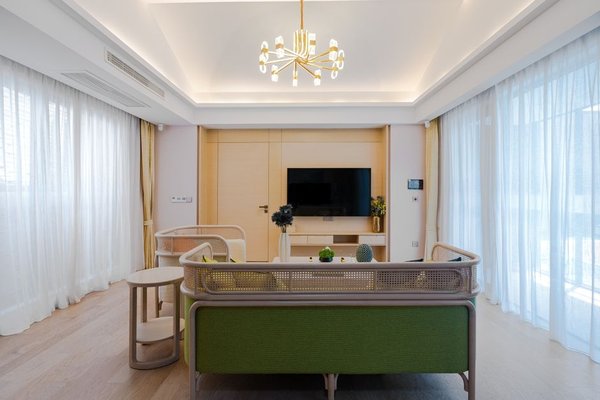
A living room can look lovely in daylight and feel surprisingly uncomfortable after dark. One ceiling fixture may illuminate the floor but leave a reading chair dim, reflect off the television, and cast unflattering shadows. The best living room lighting ideas solve those everyday problems while creating a warmer atmosphere in the evening.
Instead of choosing one statement fixture, consider what people actually do here: read, talk, watch films, play games, and tidy up. Give each activity useful light, then let softer sources create the mood.
Build three layers of light
A layered lighting living room combines general illumination, focused light for activities, and smaller highlights. Keep the layers on separate controls where possible so you can change the atmosphere without sacrificing visibility.
Ambient lighting for comfortable movement
Ambient living room lighting provides the overall glow that helps people move around and see one another. Ceiling fixtures, recessed lights, and uplighters can provide it. If a bare overhead bulb feels harsh, consider a shaded fitting or an uplighter that reflects light off a pale ceiling. Reflected light often feels gentler than a visible bulb aimed into the room.
Task lighting for reading and hobbies
A chair used for reading deserves its own lamp. Position a directional floor lamp beside or slightly behind the seat so it lights the page without shining into anyone’s eyes. A portable table lamp can help with puzzles or crafts without forcing everyone else to sit under brighter ceiling lights.
Accent lighting for depth
Accent light can draw attention to a bookshelf, artwork, or an interesting wall texture. Try a small picture light, a shaded console lamp, or concealed shelf lighting. One or two carefully chosen highlights are often enough; illuminating every object can make a modest room feel busy.
Place lamps around the way you sit
The most useful living room lamp ideas begin with your furniture layout. Sit in each chair after sunset and notice dark patches, exposed bulbs, screen reflections, and awkward switch locations. Check outlets before buying new fixtures.
Balance the sofa without matching everything
Place a shaded table lamp beside one end of the sofa. If the other end remains dark, add a floor lamp rather than buying an identical pair. Ideally, a seated person should not see the bulb directly beneath the shade. The right shade shape matters as much as the base.
Put darker corners to work
A slim uplighter behind an armchair can spread soft light across a nearby wall. In a small space, this saves tabletop room while making the corner feel usable. If the seating arrangement is cramped, explore small living room layout ideas before introducing bulky lamps.
Keep glare away from the television
Bright lights facing a television can appear as distracting reflections. Try lower, indirect lighting to the side of the screen or behind the seating area. Test lamp positions with the television switched on; moving a light a few inches may fix the problem without another purchase.
Choose bulbs by lumens and color temperature
Watts measure power consumption, while lumens describe light output. When comparing LEDs, check brightness instead of relying on the old idea that more watts always means more light. For relaxed living areas, warm-white bulbs around 2700K to 3000K are popular. A 2700K bulb generally looks more golden; 3000K appears slightly cleaner.
Use similar color temperatures in lamps that operate together so the room does not look yellow in one corner and blue in another. If fabrics, wood, and artwork are important, bulbs with a color rendering index of 90 or higher can help colors look more natural. Check dimmer compatibility: a dimmable LED may still flicker with an unsuitable older switch.
Low ceilings also change fixture choice. A flush-mounted ceiling light paired with lamps is often easier to live with than a low-hanging pendant. Consider lighting ideas for low ceilings before committing to a centerpiece.
Create separate scenes for different activities
Imagine a living room with a sofa facing the television, a reading chair by the window, and a bookshelf on the far wall. At 4 p.m., daylight does most of the work, while the chair lamp helps someone read. At 7 p.m., a dimmed ceiling light and sofa lamp make conversation comfortable. For a film, switch off the ceiling light and leave a gentle bookshelf lamp on.
The layout never changes, but the room handles three different activities. You do not need smart-home equipment to try this. Separate plug-in lamps work well. Compatible smart bulbs or plugs simply make your preferred settings easier to repeat.
Start with three practical scenes: brighter light for tidying, balanced lighting for company, and a low-glare arrangement for winding down. For new wiring or wall dimmers, follow local electrical requirements and use a qualified electrician.
Work with daylight instead of fighting it
Natural light influences which corners need lamps first. A shaded reading nook may need help hours before a sunny window seat does. Sheer curtains soften strong sunlight; blinds or lined curtains can control screen glare later in the day. Window treatment ideas for living rooms are worth considering alongside lamps, particularly where privacy matters.
Watch for reflections from mirrors, glossy tables, and windows. A slight change in lamp position or shade angle can be more effective than increasing the brightness.
Avoid the mistakes that make rooms uncomfortable
Overhead-only lighting can look bright while leaving seated activities poorly illuminated. Opaque decorative shades may give little usable light, while exposed LED strips can introduce distracting glare. Mixing very cool and warm bulbs makes the room feel disjointed.
More light is not automatically better. Some contrast between brighter task areas and softer surroundings creates depth. Move your existing lamps around at night and experiment with bulbs before investing in additional fixtures.
Frequently asked questions
What type of lighting is best for a living room?
Use a mix of gentle ambient illumination, task lamps for reading or hobbies, and selective accent lighting. Independent switches or compatible dimmers make the combination flexible.
How many lamps does a living room need?
There is no universal number. A small room may work with a ceiling fixture, a reading lamp, and one additional shaded lamp. Larger rooms may need more sources to cover separate seating areas.
Is warm white or daylight better for a living room?
Warm white, often around 2700K to 3000K, usually suits a relaxed evening atmosphere. Cooler light may work for specific tasks, but avoid jarring differences between bulbs used together.
Can I improve lighting without rewiring?
Yes. Try adjustable floor lamps, table lamps, plug-in sconces, or compatible smart bulbs. Keep cords secured and away from pathways.
Let the lighting change with your evening
Effective living room lighting is about what each source contributes, not the number of fixtures you own. Start with the activity that feels hardest after dark, add focused light there, and soften the surrounding glow. When reading is comfortable, screen reflections disappear, and conversations happen in warm light, the room feels better without a complete redesign.