
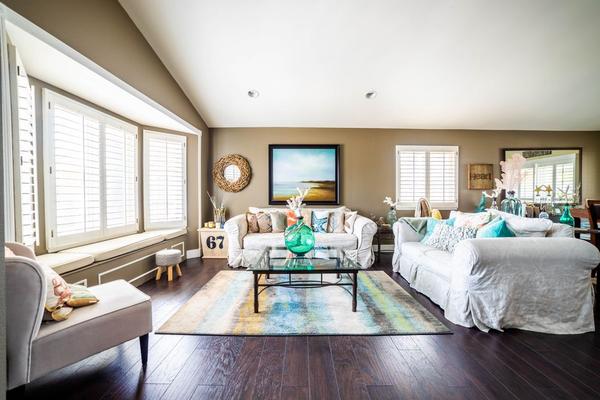
A living room can look beautifully styled at 9 a.m. and become a toy shop, homework station, and movie theater by dinner. The most useful family friendly living room ideas make room for all of those moments without demanding constant tidying. Think comfortable seating, washable materials, easy-to-reach storage, and clear paths through the space. A room designed around daily habits often feels more inviting than one arranged only for photographs.
Plan Around the Busiest Parts of the Day
Before moving furniture, notice what happens between arriving home and bedtime. Do backpacks land beside the sofa? Does someone build with blocks while another person watches television? Your family living room layout should support these routines rather than fight them. Sketch the main activities and mark the doors, windows, outlets, and routes people use most.
Protect the Walking Routes
Leave an easy route from the entrance to the seating area and any adjoining rooms. Avoid placing a coffee table where children repeatedly cut across the floor. In a compact room, a smaller oval table or movable ottoman may preserve more usable space than an oversized rectangular centerpiece. Check the arrangement while drawers, recliners, and doors are open, not just when everything is tucked away.
Give Different Activities Their Own Corners
A rug can define the conversation area, while a low shelf marks a play corner without closing it off. Keep active play away from fragile lamps and television equipment. If adults regularly work nearby, a slim desk or portable lap tray can turn one end of the room into a temporary homework spot. Flexible zones beat permanent divisions when family needs change throughout the day.
Choose Sofas and Fabrics That Can Handle Real Life
For a kid friendly living room, the best upholstery is not necessarily the darkest fabric. Midtone, patterned, or textured coverings can disguise minor marks, while removable, machine-washable covers make routine cleaning simpler. Check the manufacturer’s care instructions before buying: not every fabric labeled performance or stain resistant can be cleaned the same way.
Look for supportive seat cushions, durable seams, and a sofa depth that works for both adults and smaller family members. Leather or coated upholstery may wipe clean easily, but scratches, heat, and care requirements still matter. Test fabric samples with the kinds of spills your household actually encounters rather than relying only on showroom promises.
Use Durable Surfaces Without Making the Room Feel Hard
Durable living room ideas combine forgiving finishes with soft places to land. A sealed, easy-clean coffee table can be practical, but rounded corners are preferable in busy play areas. Washable rugs and grippy rug pads help manage crumbs and reduce sliding. Choose floor coverings with a low enough pile for toys, rolling storage, and regular vacuuming.
Instead of decorating every surface, display a few treasured items above children’s reach and leave lower surfaces available for daily use. Baskets made from soft fabric are often easier to move than heavy decorative bins. A room with fewer obstacles usually needs less policing.
Build Storage Around the Cleanup Routine
Storage works best when it matches where things naturally collect. Place a basket near the sofa for blankets, a covered box near the play zone for building pieces, and a tray beside the seating for remotes. Give frequently used toys accessible homes, but keep small parts out of reach of children who might put them in their mouths.
Try a five-minute evening reset: everyone returns items to clearly assigned containers before the room changes into a relaxation space. One family might use two labeled baskets, one for books and one for toys, beneath a window-free stretch of wall. The system succeeds because children can understand it without an adult reorganizing every item afterward.
Make Safety Part of the Layout, Not an Afterthought
Anchor televisions and tip-prone furniture, including bookcases and storage units, according to the manufacturers’ instructions. Keep cords secured and inaccessible to children, and choose cordless window coverings where young children live or visit; the U.S. Consumer Product Safety Commission identifies accessible window-covering cords as a serious strangulation hazard. Do not place climbable furniture next to windows.
Check for unstable lamps, sharp edges, loose batteries, and small decorative objects at a child’s eye level. Secure rugs so they do not slide, and make sure furniture cannot block exits. Safety needs evolve with age: a room suitable for a preschooler may need different safeguards when a crawling baby joins the household. No arrangement replaces age-appropriate supervision.
Make Gathering Comfortable for Everyone
Not every family needs a huge sectional. A modest sofa plus a movable chair may offer more flexibility for reading together, hosting grandparents, or watching a film. Arrange seats so people can see and speak to one another without twisting awkwardly. Keep at least one accessible spot for someone who prefers firmer, higher seating.
Layer lighting instead of relying on a single bright ceiling fixture. A safely positioned floor or table lamp can serve evening reading, while dimmable overhead lights help the room transition from playtime to a quiet night. Keep electrical cords out of traffic routes and beyond children’s reach. For visual calm, repeat two or three colors across cushions, curtains, and storage rather than trying to match every object perfectly.
Let the Room Grow with the Family
Choose pieces that can change jobs: an ottoman that provides extra seating, a shelf that holds picture books now and board games later, or nesting tables that come out when guests arrive. Avoid committing every corner to one age or activity. This approach also helps renters and families working with a limited decorating budget. It is easier to replace a cushion cover than redesign an entire room when tastes change.
Frequently Asked Questions
What is the best layout for a family-friendly living room?
The best layout keeps main walkways clear, gives everyday activities sensible zones, and brings seats close enough for conversation. Measure furniture and test how people move around it before making purchases.
What sofa material is easiest with children?
Removable washable covers and upholstery with clear cleaning instructions are practical choices. Check how a material handles spills, abrasion, and everyday maintenance; no fabric is completely childproof.
How can I reduce clutter in a small family living room?
Use a few containers positioned where items are used, choose furniture with useful storage, and keep only current favorites within reach. A short daily reset is generally more sustainable than occasional marathon cleanups.
Can a family living room still look stylish?
Absolutely. Consistent colors, varied textures, attractive storage, and comfortable furniture create a cohesive look. Leave space for actual living rather than filling every shelf with decor.
Bring Comfort and Practicality Together
A successful family room welcomes both the lively afternoon and the quiet evening. Begin with clear circulation and secure furniture, then invest in seating and surfaces you can maintain without stress. Add storage where clutter starts and leave some flexibility for tomorrow’s routines. The result is not a flawless room that nobody touches; it is a comfortable place your household can use every day.