
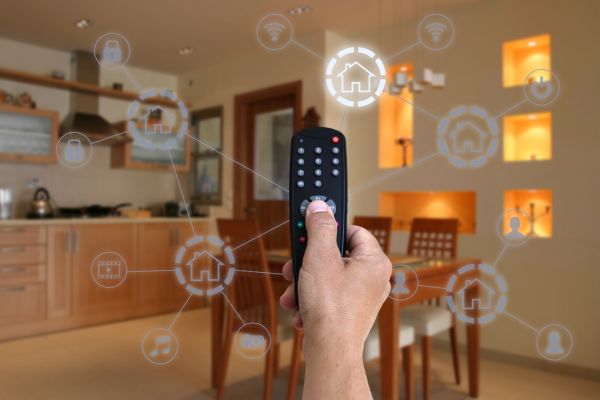
Smart homes used to sound like something from the future. Now, they are sitting quietly in kitchens, bedrooms, hallways, and front porches. A speaker answers questions while dinner is cooking. A doorbell camera watches the driveway. A thermostat learns when the house feels too warm. Lights turn on before anyone reaches for a switch.
It is convenient, no doubt. But as these devices become part of everyday life, smart home privacy concerns are becoming harder to ignore. The same technology that makes a home feel easier to manage can also collect details about how people live, when they sleep, who visits, what they say, and even what routines shape their day.
That does not mean smart homes are bad. It simply means they deserve a little more thought than most people give them.
Why Smart Homes Collect So Much Information
Smart devices work by noticing patterns. A smart thermostat studies temperature preferences. A security camera detects motion. A voice assistant listens for wake words. A fitness-connected scale records body data. Even a smart fridge may track usage habits or connect to shopping apps.
To function properly, these devices often need data. Some of it stays inside the device or home network. Some of it goes to company servers for processing, updates, storage, or remote access. That movement of information is where many privacy questions begin.
The concern is not only that data exists. It is what kind of data is being gathered, where it is stored, who can access it, and how long it remains available. A single smart bulb may not reveal much. But when several devices are connected together, they can create a surprisingly detailed picture of daily life.
The Home Is No Longer Fully Offline
For generations, the home was a private space by default. What happened indoors usually stayed indoors unless someone chose to share it. Smart technology changes that assumption. A modern connected home may constantly communicate with apps, servers, cloud platforms, and third-party services.
This does not always feel obvious. A person may lock the door through an app without thinking about the digital record it creates. A camera may upload clips automatically. A voice assistant may store snippets of interaction to improve performance. These small actions can become a quiet timeline of household behavior.
This is one of the biggest smart home privacy concerns: the home is still physically private, but digitally connected. And once a home becomes connected, privacy depends less on walls and more on settings, passwords, company policies, and software updates.
Voice Assistants and the Question of Listening
Voice assistants are among the most common smart home devices, and also among the most personal. They sit in shared rooms, bedrooms, and sometimes children’s spaces. Their purpose is to respond quickly, so they must be ready to detect a command.
Most voice assistants are designed to activate only after hearing a wake word. Still, accidental recordings can happen. Background conversations may be captured by mistake. Some systems store voice history unless users delete it or change settings.
The issue is not usually that someone is sitting and listening all day. The concern is broader and more ordinary. Voice data may be processed, reviewed, stored, or used to improve services. For people who want tighter control over their private conversations, that can feel uncomfortable.
A sensible approach is to check voice history settings, mute microphones when not needed, and avoid placing voice devices in spaces where sensitive conversations often happen.
Cameras Bring Comfort and Complications
Smart cameras and video doorbells are popular because they offer a feeling of control. They show packages, visitors, pets, driveways, and entryways. For families, renters, and busy homeowners, that visibility can be reassuring.
But cameras also raise serious privacy questions. Indoor cameras can capture intimate household moments. Outdoor cameras may record neighbors, delivery workers, guests, or people passing by. If footage is stored in the cloud, users also need to trust the platform protecting it.
There is also the problem of access. Who in the household can view the camera feed? Can old clips be downloaded? Are shared users still active after a roommate moves out or a relationship changes? These small account details matter more than people often realize.
A smart camera should never be treated like a harmless decoration. It is a recording device. Where it points, what it stores, and who can view it should be decided carefully.
Smart Devices Can Reveal Daily Routines
One smart device may only know one thing. A lock knows when a door opens. A thermostat knows when the house is occupied. A light system knows when rooms are in use. A speaker knows when someone asks for music or weather.
Together, these details can reveal a routine. They may show when a home is empty, when children return from school, when someone goes to bed, or when vacations happen. That information can be useful for automation, but sensitive if exposed.
This is why privacy is not just about cameras and microphones. Even basic devices can produce meaningful behavioral data. A connected home creates patterns, and patterns can say a lot.
The Risk of Weak Passwords and Shared Accounts
Many privacy problems do not begin with advanced hacking. They begin with simple account mistakes. A weak password, reused across many websites, can expose smart home apps if another service is breached. A forgotten shared login may let someone continue accessing devices long after they should not.
Two-factor authentication helps, but many people skip it because it feels like an extra step. In a smart home, that extra step can protect cameras, locks, alarms, and personal data. It is worth the slight inconvenience.
It is also important to review who has access. Family members, guests, technicians, former tenants, or old partners may still have permissions inside an app. Privacy is easier to manage when access is limited to people who truly need it.
Software Updates Are a Privacy Habit
Smart devices are not set-and-forget appliances. They are small computers, and computers need updates. These updates often fix security weaknesses, improve performance, or patch vulnerabilities that could expose user data.
The problem is that many smart devices are bought, installed, and then ignored. If automatic updates are turned off, or if a product is no longer supported by the manufacturer, it may become less secure over time.
Before buying a smart device, it helps to consider whether the company has a decent history of updates and support. After buying, keeping firmware and apps current should become part of normal home maintenance, like changing batteries in a smoke detector.
Privacy Policies Are Boring but Useful
Almost nobody wants to read privacy policies. They are long, dry, and often written in language that makes the eyes slide off the page. Still, they can reveal important things.
A privacy policy may explain what data is collected, whether it is shared with partners, how recordings are handled, and whether users can delete stored information. It may also show whether the company uses data for advertising or analytics.
You do not need to read every word like a lawyer. But before placing a connected device inside your home, it is worth scanning for the basics. What does it collect? Can you delete it? Is cloud storage required? Can features work locally without sending everything online?
Those answers can change how comfortable a device feels.
Children and Guests Deserve Privacy Too
Smart home privacy concerns are not only about the person who owns the devices. Homes are shared spaces. Children, visitors, babysitters, cleaners, relatives, and neighbors may all be affected by smart technology they did not choose.
A guest may not expect to be recorded in a living room. A child may not understand what a smart speaker stores. A neighbor may feel uncomfortable if a camera points toward their yard.
Good privacy habits include basic transparency. If indoor cameras are used, people in the home should know. If guest access is needed for smart locks or alarms, it should be temporary. If children use connected devices, parents should review settings with extra care.
A private home should not become a place where everyone is quietly monitored without realizing it.
How to Make a Smart Home More Private
Privacy does not require giving up every smart device. It simply means using them with intention. Turn off features you do not use. Delete old recordings when possible. Use strong passwords and two-factor authentication. Keep apps and firmware updated. Choose devices carefully instead of buying every new gadget that promises convenience.
It also helps to separate what is useful from what is unnecessary. A smart thermostat may make sense. A camera in every room may not. A voice assistant in the kitchen may be helpful, while one in the bedroom may feel too intrusive.
The best smart home is not the most connected one. It is the one that makes life easier without making people feel watched inside their own space.
A More Thoughtful Kind of Convenience
Smart homes are here to stay, and for many people, they genuinely improve daily life. They can save energy, support safety, help older adults live more independently, and make ordinary routines smoother. But convenience should not ask for blind trust.
Smart home privacy concerns matter because the home is personal. It is where people relax, argue, rest, laugh, recover, and live unedited lives. When technology enters that space, it should do so carefully.
The goal is not fear. It is awareness. A smart home can still feel warm, useful, and modern while respecting privacy. But that balance does not happen automatically. It comes from asking better questions, checking settings, limiting access, and remembering that not every part of home life needs to be connected to the cloud.