Why Home Lighting Deserves More Attention
Lighting is one of those things we rarely think about until a bulb burns out, a room feels too dim, or the electricity bill lands with a small unpleasant surprise. Yet the lights in a home work quietly in the background every day. They shape how rooms feel, how easily we move through the house, and how much energy we use without really noticing.
That is where LED lighting for energy efficiency becomes more than just a technical upgrade. It is a practical change that affects daily comfort, long-term costs, and even the mood of a home. Unlike older bulbs that wasted much of their energy as heat, LEDs use electricity more intelligently. They turn more of that power into actual light, which is exactly what a home needs.
For many households, switching to LED lighting is not a dramatic renovation. It is usually a gradual process. One kitchen bulb here, a hallway fixture there, maybe outdoor lights later. But over time, the difference becomes clear.
How LED Lighting Uses Less Energy
Traditional incandescent bulbs are simple but inefficient. They create light by heating a filament until it glows, which means a lot of energy escapes as heat. If you have ever touched an old bulb after it has been on for a while, you know exactly how much warmth it gives off. That warmth is wasted energy.
LED bulbs work differently. LED stands for light-emitting diode, and the technology produces light through the movement of electrons in a semiconductor material. That sounds more complicated than it feels in real life, but the important part is simple: LEDs need far less electricity to produce the same amount of brightness.
A room that once needed a 60-watt incandescent bulb can often be lit with an LED bulb using around 8 to 10 watts. The light may look just as bright, sometimes even cleaner, but the energy demand is much lower. Multiply that by every lamp, ceiling fixture, porch light, and bathroom vanity in the house, and the savings begin to make sense.
The Real Home Benefits of Efficient Lighting
Energy efficiency is often talked about in numbers, but the experience at home is more personal. LED bulbs last longer, which means fewer annoying moments with ladders, replacements, and half-lit rooms. This matters especially in high ceilings, stairwells, outdoor fixtures, and other awkward places where changing a bulb is more trouble than it should be.
There is also the comfort factor. Modern LED lighting comes in different color temperatures, so homeowners are no longer stuck with harsh blue-white light. Warm white LEDs can make living rooms and bedrooms feel soft and relaxed, while cooler tones can help kitchens, laundry rooms, and workspaces feel crisp and practical.
The lower heat output is another quiet advantage. LEDs do not warm up a room the way older bulbs can. In warmer climates or during summer, that small detail can help reduce indoor heat buildup, especially in rooms with many fixtures.
Choosing the Right LED Bulbs for Each Room
One reason people sometimes feel disappointed after switching to LEDs is that they choose the wrong brightness or color. The bulb may be efficient, but if the room feels cold, dull, or overly bright, the result can feel wrong.
Brightness is measured in lumens, not watts. Watts tell you how much energy a bulb uses, while lumens tell you how much light it gives. This shift can feel a little strange at first, especially for people used to buying bulbs by wattage. A standard 60-watt incandescent bulb is usually replaced by an LED bulb around 800 lumens.
Color temperature also matters. Warm white light, around 2700K to 3000K, works well in bedrooms, lounges, dining areas, and cozy corners. Neutral white, around 3500K to 4000K, is useful for kitchens, bathrooms, and home offices. Very cool light can look sharp, but in the wrong space it may feel a bit clinical, so it is best used carefully.
Where LED Lighting Makes the Biggest Difference
Some areas of the home benefit more quickly from LED upgrades because the lights stay on longer. Kitchens are a good example. They often have ceiling lights, under-cabinet lighting, pendant fixtures, and sometimes breakfast area lamps. Replacing several bulbs in one busy room can make a noticeable difference.
Hallways, staircases, entryways, and outdoor lights are also important. These lights are frequently used for safety and convenience. If a porch light stays on for hours every evening, an LED bulb can reduce energy use without changing the habit.
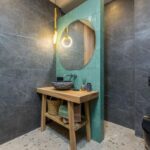
Bathrooms can also benefit, especially where multiple vanity bulbs are installed. Older bathroom lighting can draw a surprising amount of power when several bulbs are running at once. LEDs provide the same practical brightness with less electricity and less heat near mirrors.
LED Fixtures and Built-In Lighting
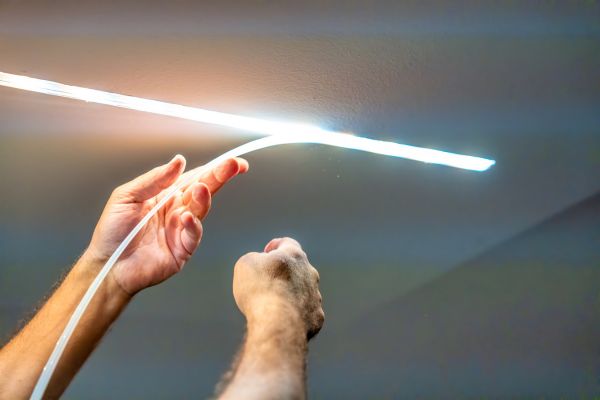
Replacing bulbs is the easiest step, but many newer homes and renovation projects now use integrated LED fixtures. These are lights where the LED source is built into the fixture itself. You often see them in recessed ceiling lights, slim panel lights, under-cabinet strips, and modern outdoor fixtures.
Integrated LEDs can look clean and modern, and they often spread light more evenly than older bulb-based fixtures. However, it is worth thinking carefully before installing them everywhere. Since the light source is built in, replacing it may mean replacing the whole fixture if it fails years later.
For some spaces, that trade-off is acceptable. For others, simple LED bulbs in regular sockets may feel more flexible. A balanced approach often works best: built-in LEDs where the design and performance make sense, and replaceable bulbs where convenience matters.
Smart Controls Can Improve Efficiency Even More
LED lighting for energy efficiency works well on its own, but controls can take it further. Dimmers, motion sensors, timers, and smart switches help reduce unnecessary use. The goal is not to make life complicated. In fact, the best controls are the ones you barely notice.
Motion sensors are useful in closets, garages, laundry rooms, and outdoor areas. Timers can help with porch lights or garden lighting. Dimmers are excellent in living rooms and bedrooms because they let you adjust light based on the time of day and mood of the room.
Smart bulbs can be helpful too, especially when used thoughtfully. They allow scheduling, remote control, and color adjustment. Still, not every room needs a smart bulb. Sometimes a simple efficient LED and a good wall switch are enough.
Common Mistakes to Avoid
The most common mistake is buying the cheapest LED bulb without checking quality. Poor-quality bulbs may flicker, fail early, or give off unpleasant light. Energy efficiency should not come at the cost of comfort. A good LED should feel natural in the room and perform reliably.
Another mistake is ignoring dimmer compatibility. Not all LED bulbs work with every dimmer switch. If a bulb flickers or buzzes when dimmed, it may need an LED-compatible dimmer or a different bulb. This is especially common in older homes where dimmer switches were originally designed for incandescent lighting.
People also sometimes over-light a space. Because LEDs use less energy, it can be tempting to add more fixtures or brighter bulbs everywhere. But good lighting is not just about brightness. It is about balance, direction, warmth, and how the room is actually used.
A Practical Way to Start the Switch
A full-home lighting upgrade does not have to happen in one day. Start with the bulbs used most often. Kitchens, living rooms, hallways, outdoor lights, and work areas usually offer the quickest energy savings. After that, replace bulbs as they burn out or as rooms are updated.
It helps to buy one or two test bulbs before replacing everything. Try them in the room at night, when lighting matters most. Notice whether the color feels right, whether the brightness is comfortable, and whether the bulb works well with existing fixtures.
This slower approach avoids waste and makes the change feel more natural. Over time, the home becomes more efficient without the process feeling like a project that took over the weekend.
Conclusion: Small Lights, Long-Term Impact
LED lighting for energy efficiency is one of the simplest home improvements, but its impact lasts. It lowers electricity use, reduces heat, cuts down on frequent bulb changes, and gives homeowners more control over how each room feels.
The best part is that it does not require a dramatic lifestyle change. You still turn on the lights, cook dinner, read in bed, walk through the hallway, and sit on the porch in the evening. The difference is that the home does all of this with less wasted energy.
In the end, efficient lighting is not only about saving money. It is about making a home work a little smarter, a little cleaner, and a little more comfortably every day.